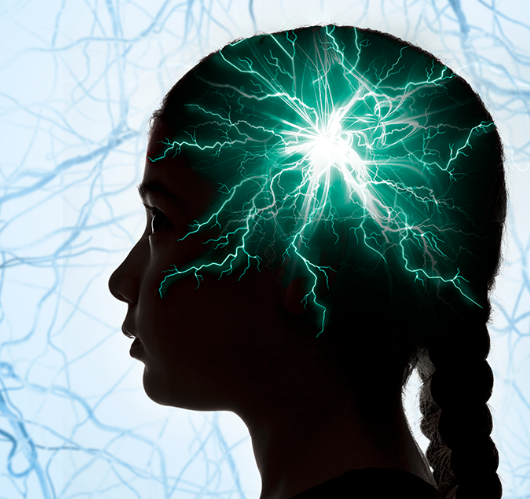
- Types of seizures:Children can experience various types of seizures, including focal seizures (which may involve twitching, altered consciousness, or repetitive movements) and generalized seizures (which can cause loss of consciousness, muscle stiffening, or jerking movements).
- Causes:Epilepsy in children can be due to genetic factors, brain malformations, head injuries, infections like meningitis, or developmental disorders such as cerebral palsy or autism spectrum disorders.
- Diagnosis:Diagnosing epilepsy in children often requires careful observation and collaboration among pediatricians, neurologists, and epileptologists. This includes detailed medical history, physical examination, EEG (electroencephalogram), and sometimes advanced imaging like MRI (magnetic resonance imaging).
- Treatment:Medication is typically the first line of treatment for epilepsy in children. Choosing the right medication involves considering factors such as seizure type, potential side effects, and the child's age and overall health. Dosage adjustments may be necessary as the child grows.
Epilepsy in children presents unique challenges and considerations compared to adults. Here are some specific aspects of epilepsy in children to expand on:
- Developmental impact:Epilepsy and its treatments can affect a child's cognitive development, learning abilities, and behavior. Monitoring these aspects and providing appropriate educational support are essential.
- Seizure management in school:Children with epilepsy may require accommodations at school, such as a seizure action plan outlining what to do during a seizure, ensuring staff are trained in seizure first aid, and providing a supportive environment to minimize triggers.
- Emotional and social implications:Epilepsy can impact a child's self-esteem and social interactions, especially if seizures are frequent or difficult to control. Building a supportive network of peers, teachers, and family members is crucial for their well-being.
- Long-term outlook:Many children with epilepsy can achieve good seizure control with medications or other treatments. Regular follow-up with healthcare providers is important to monitor seizure frequency, medication effectiveness, and any developmental concerns.
- Research and advancements:Ongoing research aims to improve understanding of childhood epilepsy, develop new treatments with fewer side effects, and explore potential genetic factors that may influence the condition.
- Family support:Managing epilepsy in a child requires strong support from family members. Educating family members about epilepsy, promoting open communication, and addressing any concerns or anxieties are vital for creating a supportive environment.